

Lessons from the Estée Lauder vs. Walmart Lawsuit
Online shopping has never been more convenient, but the digital aisles of our favorite mega-retailers are sometimes hiding ugly truths. Recently, luxury beauty giant Estée Lauder filed a major federal lawsuit against Walmart, alleging that the retailer’s online marketplace has become a hub for counterfeit skincare, cosmetics, and fragrances.
At Alvarez Technology Group, we spend a lot of time talking about digital security, phishing scams, and protecting your data. But digital vigilance doesn’t stop at your inbox—it extends to your online shopping cart. The Estée Lauder lawsuit highlights a growing e-commerce threat that every consumer needs to understand.
The Illusion of the “Trusted Retailer”
When you go to Walmart.com (or Amazon, for that matter), you expect to buy products vetted and sold by that retailer. However, modern e-commerce sites rely heavily on third-party marketplaces. This means external vendors can list their products alongside Walmart’s official inventory.
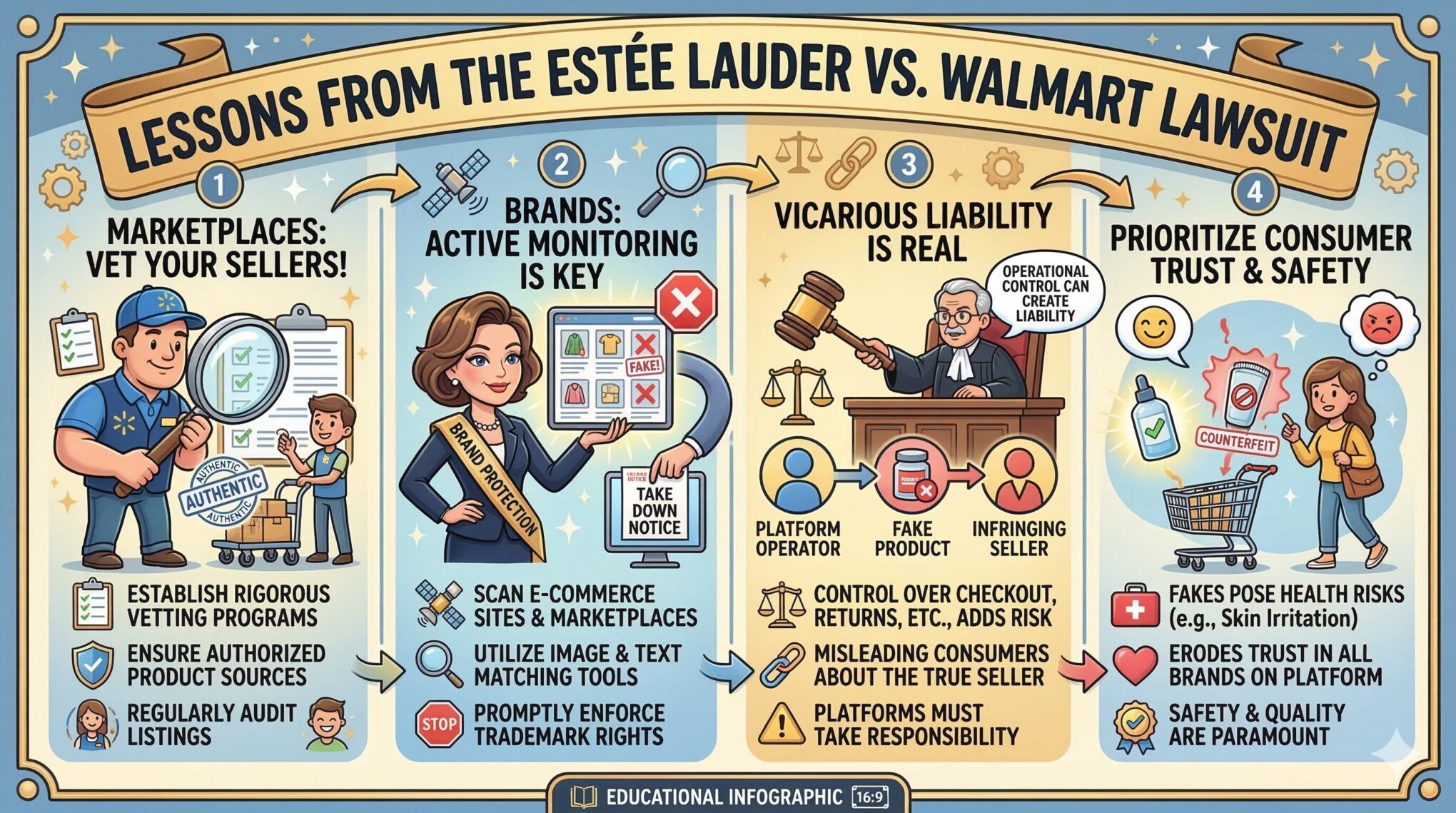
According to Estée Lauder’s recent complaint, counterfeit versions of premium brands like Clinique, La Mer, Le Labo, Aveda, and Tom Ford have been masquerading as the real deal on Walmart’s website. The lawsuit argues that the seamless integration of third-party listings with Walmart’s checkout and return processes tricks consumers into believing Walmart is the actual seller.

Why Counterfeits Are More Than Just a Scam
Buying a fake designer handbag might just hurt your pride, but counterfeit cosmetics pose a severe health and safety risk. When you buy a fake serum or perfume, you have zero guarantee of what is inside the bottle. These unregulated products often contain harmful chemicals, allergens, or bacteria that can cause severe skin irritation, breakouts, or worse.
In the tech world, we often warn against downloading unverified software because it can introduce malware into your system. Buying counterfeit skincare is the physical equivalent: you think you’re getting a premium product, but you’re actually introducing something potentially toxic to your body.
The Ultimate Lesson for Consumers
As e-commerce platforms continue to blur the lines between their own inventory and third-party sellers, the burden of verification falls heavily on the consumer. Here is how you can protect yourself while shopping online:
- Always Check the “Sold By” Label: Before you click “Add to Cart,” review the listing details. Does it say “Sold and shipped by Walmart”? Or does it list an unfamiliar third-party company? If you don’t recognize the seller’s name, proceed with extreme caution.
- Beware of Unbelievable Deals: Luxury beauty brands rarely offer steep discounts. If a $200 La Mer moisturizer is selling for $45, it is almost certainly a fake. Cybercriminals and counterfeiters rely on our desire for a “great deal” to bypass our common sense.
- Buy Direct from Authorized Retailers: The safest way to ensure you are getting an authentic product is to buy directly from the brand’s official website or from a well-known, authorized retailer.
- Inspect Your Purchases: If you do take a chance on a marketplace purchase, inspect the packaging carefully upon arrival. Look for misspellings, flimsy boxes, unusual smells, or slightly off-color packaging.
Staying Vigilant in the Digital Age
The courtroom battle between Estée Lauder and Walmart is a stark reminder that online scams come in many forms. At Alvarez Technology Group, we believe that staying safe online requires a healthy dose of digital skepticism.
Whether you are scrutinizing an email for a phishing link, verifying a software update, or checking a marketplace listing for a counterfeit beauty product, taking an extra few seconds to verify the source can save you from a major disaster.
Stay sharp, shop smart, and remember—if an online deal looks too good to be true, it almost always is.